Get Gas Line Relocation
Gas line relocation services help property owners safely move or adjust gas lines for renovations, new constructions, or safety upgrades, handled by experienced local contractors.
Property owners in the area considering gas line relocation are in the right place to explore their options. Whether planning a home renovation, adding new outdoor features, or addressing safety concerns, relocating a gas line can be an important part of a larger project. Understanding the practical reasons for this work-such as improving access, enhancing safety, or accommodating property modifications-can help inform the decision-making process. Keep reading to learn how local contractors can assist with planning and executing this type of project efficiently.
Comparing local service providers can ensure property owners find the right support for gas line relocation needs. Many local contractors have experience handling these specialized jobs and can provide guidance tailored to specific property requirements. By exploring available options, property owners can better understand the scope of work involved and select a team that aligns with their project goals. Continue reading to discover how connecting with qualified local experts can make the process smoother and more straightforward.
- Gas Line Relocation for Home Renovations - when upgrading or expanding a property may require moving existing gas lines to accommodate new layouts.
- Commercial Gas Line Relocation - necessary during business expansions or redesigns that involve rerouting gas supply lines.
- Emergency Gas Line Relocation - needed when a gas leak or damage to the line requires immediate rerouting for safety.
- New Construction Gas Line Installation - involves relocating gas lines to fit the design of a new building or development project.
- Gas Line Rerouting for Safety Improvements - performed when existing gas lines pose safety concerns and need to be moved to safer locations.
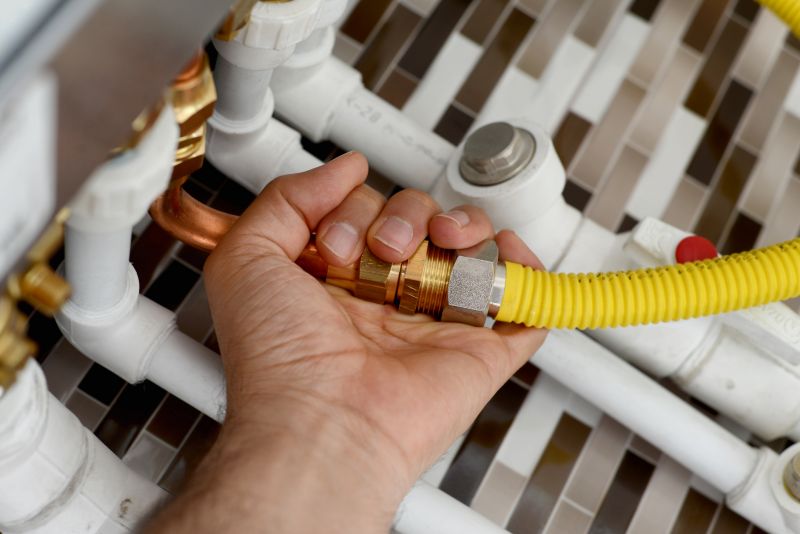
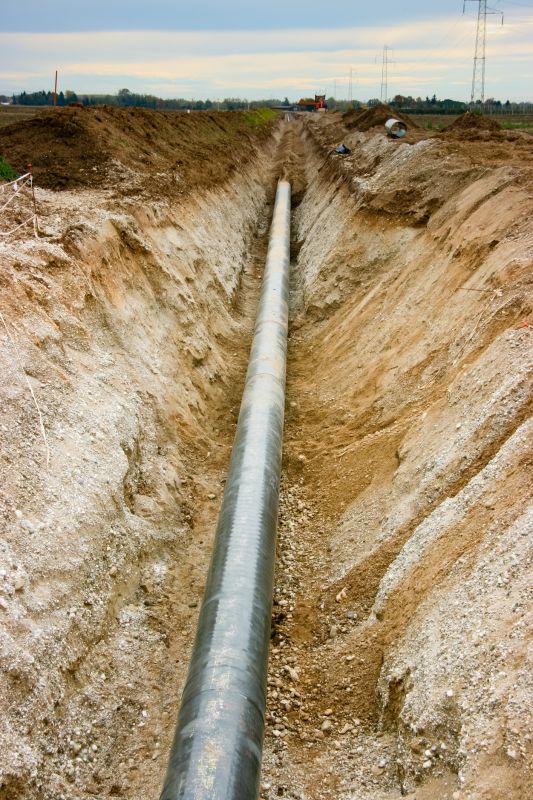
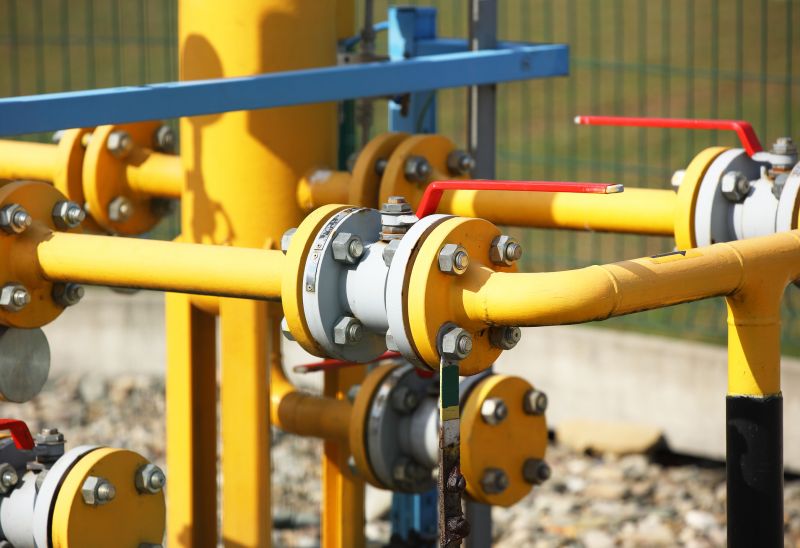
Gas line relocation services involve the careful process of moving existing natural gas lines to different locations on a property. This work typically requires excavating around the current gas lines, disconnecting them safely, and rerouting them to accommodate property modifications such as home additions, renovations, or landscaping projects. Skilled service providers handle the entire process, ensuring that the relocated gas lines are installed correctly and meet all safety standards. This service is essential when planning changes that interfere with existing gas line pathways or when improvements to the property make a new gas line route necessary.
Relocation of gas lines helps solve problems related to space constraints, safety concerns, or code compliance. For example, when a homeowner wants to build a new garage, extend a driveway, or install outdoor kitchens, existing gas lines may need to be moved to prevent interference or hazards. Additionally, if gas lines are located too close to foundations or other structures, relocating them can reduce the risk of damage or leaks. Service providers can assess the current setup, recommend the best course of action, and execute the work to ensure the gas lines are safely rerouted and fully functional.
This type of service is commonly used in residential properties, especially those undergoing significant renovations or expansions. Homeowners planning to add new rooms, decks, or outdoor features often need gas line relocations to accommodate their designs. It is also frequently needed in properties with older gas infrastructure that no longer meets current safety standards or spatial needs. Commercial properties, such as restaurants or multi-unit buildings, may also require gas line modifications to support new appliances or expanded facilities, making this service relevant across a variety of property types.
Homeowners typically consider gas line relocation services when they encounter obstacles or safety issues with existing gas infrastructure. This can include situations where gas lines run through areas that are being repurposed, or where underground lines are exposed to potential damage from landscaping or construction activities. Service providers who specialize in gas line work can evaluate the property, identify the best route for rerouting, and handle the entire process from planning to completion. Contacting local contractors for this work ensures that the project is managed by experienced professionals who understand the complexities involved in safely relocating gas lines on residential or commercial properties.
The overview below groups typical Gas Line Relocation projects into broad ranges so you can see how smaller, mid-sized, and larger jobs often compare in your area.
In many markets, a large share of routine jobs stays in the lower and middle ranges, while only a smaller percentage of projects moves into the highest bands when the work is more complex or site conditions are harder than average.
Smaller Repairs - for minor gas line adjustments or reroutes, local pros typically charge between $250 and $600. Many routine jobs fall within this range, though costs can vary based on specific site conditions. Fewer projects reach the higher end of this spectrum.
Moderate Relocations - moving a gas line to accommodate remodeling or new fixtures usually costs between $600 and $1,500. Most projects in this category are straightforward and remain within this range, with some complex cases pushing higher.
Full Line Replacement - replacing an entire gas line system can range from $2,000 to $5,000 or more, depending on the length and complexity. Larger, more involved projects tend to be at the upper end of this scale, while simpler replacements stay lower.
Complex or Custom Projects - highly intricate gas line rerouting or extensive upgrades can exceed $5,000. These projects are less common and typically involve significant planning, materials, or site-specific challenges.
Actual totals will depend on details like access to the work area, the scope of the project, and the materials selected, so use these as general starting points rather than exact figures.
Underground Utility Line Installation - involves planning and installing various underground utilities, requiring skills similar to gas line relocation for trenching and safety measures.
Foundation Excavation and Repair - demands excavation, careful planning, and coordination with existing underground systems, sharing techniques used in gas line work.
Water Line Replacement Services - includes rerouting or replacing existing water lines, utilizing similar tools and planning methods as gas line relocation projects.
Drainage System Installation - involves underground piping and site assessment, paralleling the skills needed for relocating gas lines safely and efficiently.
Electrical Conduit Installation - requires trenching and underground routing, aligning with the planning and safety protocols of gas line rerouting.
Sewer Line Repair and Replacement - involves excavation, planning, and careful handling of underground pipes, comparable to gas line relocation processes.
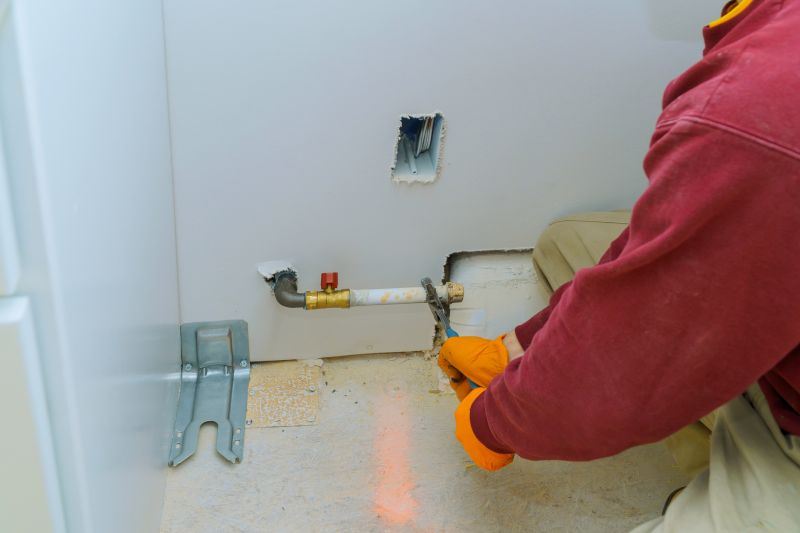
When evaluating service providers for gas line relocation, it’s important to consider their experience with similar projects. Homeowners should inquire about the types of jobs the contractors have completed, focusing on projects comparable in scope and complexity. A contractor with a proven track record in gas line work can offer insights into potential challenges and solutions, helping to ensure the project proceeds smoothly and meets safety standards. Verifying that a provider has handled comparable installations or relocations can provide confidence in their ability to deliver quality results.
Clear, written expectations are essential when choosing a local contractor for gas line relocation. Homeowners should seek detailed estimates that outline the scope of work, materials to be used, and any additional services included. Having this information in writing helps prevent misunderstandings and ensures everyone is aligned on project deliverables. It’s also beneficial to ask about the process, including how potential issues will be addressed and what the completion criteria are, so expectations are transparent from the start.
Reputable references and good communication are key factors to consider during the selection process. Homeowners can ask service providers for contact information of previous clients or look for reviews online to gauge their reputation. A contractor who communicates clearly and promptly demonstrates professionalism and respect for the homeowner’s needs. Effective communication ensures that questions are answered, concerns are addressed, and the project moves forward with mutual understanding. Remember, this site introduces homeowners to local options but does not perform the work itself, so taking the time to compare and connect with trusted service providers is a vital step toward a successful gas line relocation.
Property owners use Gas Line Relocation services for practical projects around their homes and businesses. This guide focuses on everyday jobs and straightforward project options.
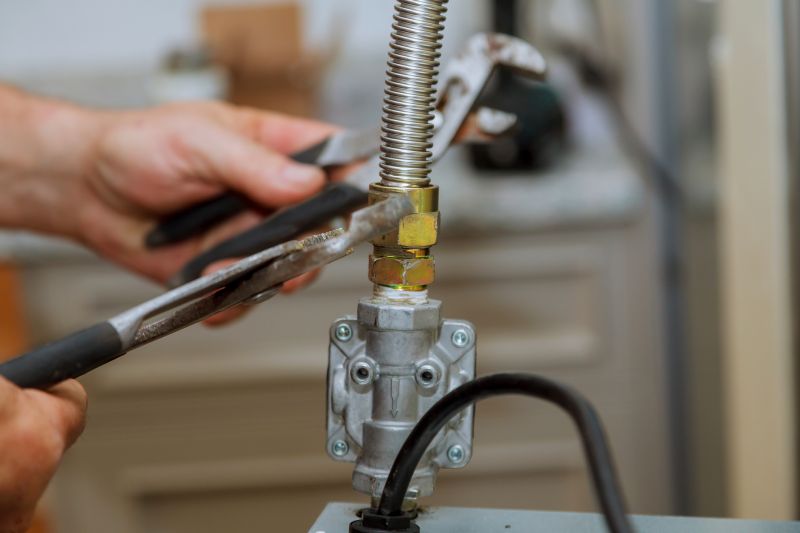
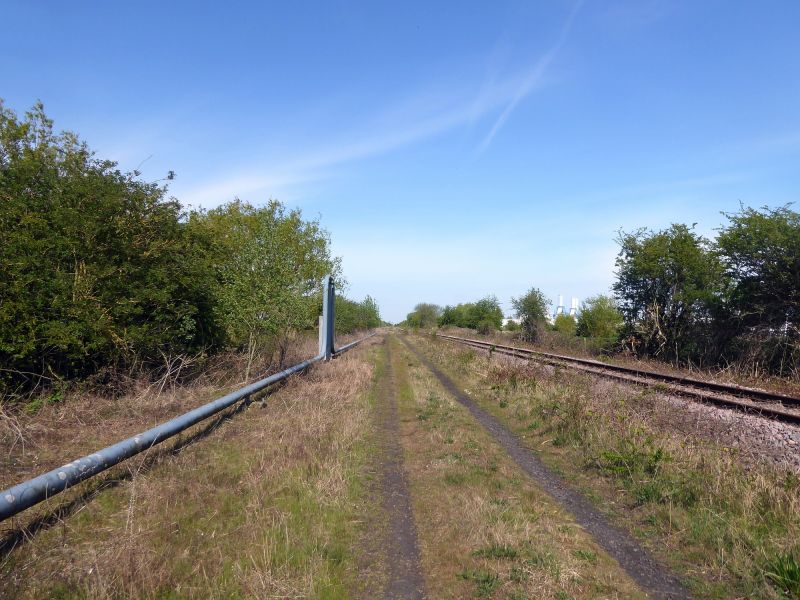
Gas line relocation services are often needed when property owners plan to remodel, add new structures, or change the layout of their outdoor spaces. Whether installing a new driveway, building a deck, or expanding a garage, relocating existing gas lines ensures safety and compliance with local regulations. Local contractors experienced in gas line work can handle these projects efficiently, helping property owners avoid potential hazards and ensure that all modifications meet necessary standards.
In some cases, property owners may need to move gas lines to accommodate landscaping changes or new utility connections. This work might be necessary when connecting to new appliances or updating older infrastructure. Local service providers are equipped to assess the site, plan the relocation, and perform the work with minimal disruption, making it easier for property owners to proceed with their renovation or expansion plans smoothly.
Why might I need to relocate my gas line? Gas line relocation may be necessary for home renovations, new construction, or to improve safety and access around existing utilities.
What types of local contractors handle gas line relocation? Specialized plumbing or utility contractors with experience in gas line work typically handle relocation services.
Is gas line relocation safe to perform? Gas line relocation should be performed by qualified service providers to ensure safety and compliance with local codes.
How can I find qualified local pros for gas line relocation? Contacting a lead generation service can help connect with experienced local contractors who specialize in gas line work.
What should I consider before hiring a gas line relocation service? It's important to verify the contractor's experience, ensure they follow safety standards, and confirm they are familiar with local regulations.
Home Renovation Projects - Relocating a gas line can support kitchen or basement remodels by providing flexible layout options for appliances and fixtures.
Outdoor Living Space Additions - Moving a gas line enables the installation of outdoor kitchens, fire pits, or grills to enhance backyard entertainment areas.
Garage or Workshop Setup - Adjusting gas lines allows for the addition of new appliances or heating systems in garages or workshops.
Property Expansion or Construction - Relocating gas lines can facilitate new building additions, extensions, or renovations that require access to gas utilities.
If you are thinking about Gas Line Relocation for a property, this guide is meant to help you understand the work, the typical project types, and how different options might fit your plans.
When you are ready, you can use the quote form on this page to share a few details about your project. From there, local pros can review the basics and respond with options that match what you have in mind.