Get Gas Line Capping
Gas line capping services provided by local contractors secure or disconnect gas lines during renovations, repairs, or property sales, preventing leaks and ensuring safety.
Property owners in the area considering gas line capping services are in the right place to explore practical solutions for their needs. Whether planning a renovation, preparing a property for sale, or ensuring safety after a gas line is no longer in use, understanding your options is an important step. Local contractors specializing in gas line capping can provide valuable guidance and help you navigate the process with confidence, making it easier to compare different approaches and find the right fit for your project.
Continuing to explore your options allows you to connect with qualified service providers who can handle the specifics of gas line capping work in your community. By reviewing local offerings, property owners can ensure the work aligns with their project goals and safety considerations. Keep reading to learn more about the benefits of working with experienced contractors in your area and how they can assist with your gas line capping needs.
- Gas line capping for safety or decommissioning - when a gas line needs to be safely sealed off during property renovations or closures.
- Emergency gas line capping services - in cases of gas leaks or accidental damage requiring immediate line termination.
- Gas line capping for appliance removal - when removing or replacing appliances that are connected to the gas supply.
- Temporary gas line capping for construction projects - during renovations or new builds where gas lines need to be temporarily shut off.
- Repairs and modifications to existing gas lines - when adjusting or upgrading gas infrastructure in residential or commercial properties.
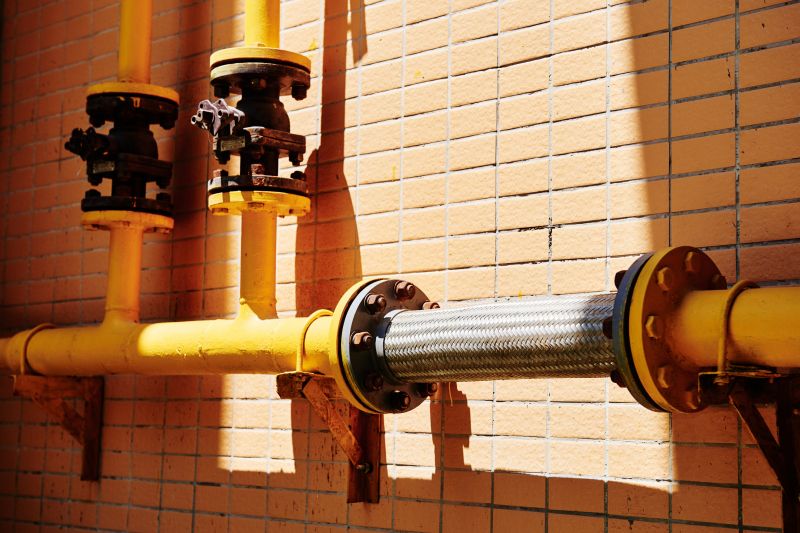
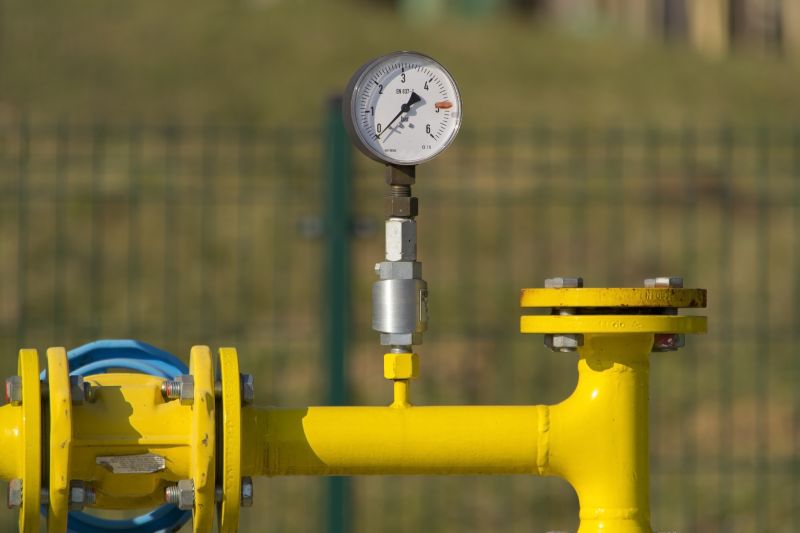
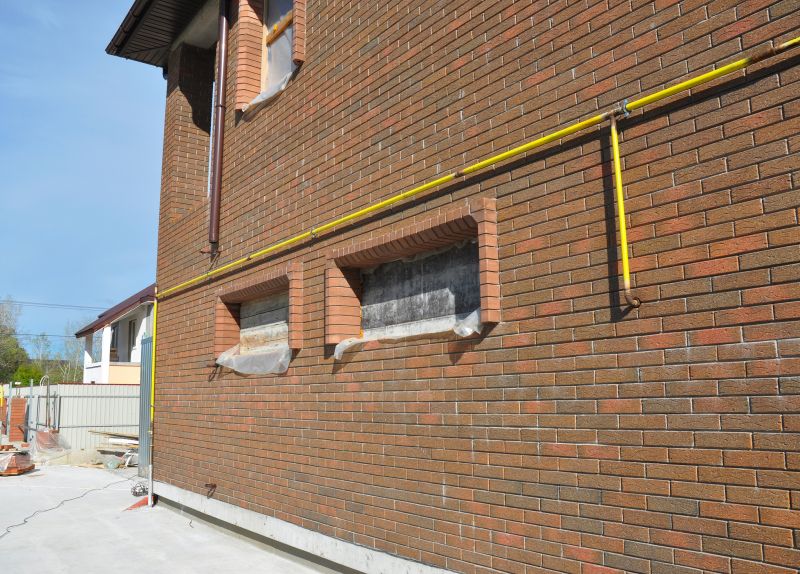
Gas line capping services involve securely sealing off an existing natural gas or propane line to prevent leaks or unauthorized use. This process typically includes disconnecting the gas supply, inspecting the line for any damage or corrosion, and then installing a durable cap or plug to ensure the line remains sealed. Professionals handling this work use specialized tools and materials to guarantee a tight, long-lasting closure that meets safety standards. It is a practical solution for property owners who need to deactivate a gas line, whether due to renovations, property sales, or safety concerns.
This service helps resolve a variety of problems, including unused or abandoned gas lines that pose safety risks if left open or unsealed. Gas line capping can prevent potential leaks that might lead to fire hazards or health issues. It also helps avoid accidental gas flow into areas where it is no longer needed, which can be especially important during remodeling projects or when removing appliances that are no longer in use. By properly capping the line, property owners can maintain safety and peace of mind, knowing that the gas supply is securely shut off.
Gas line capping services are commonly used in residential, commercial, and industrial properties. Homeowners might seek this service when removing or replacing appliances like stoves, water heaters, or fireplaces that connect to the gas line. Property developers and contractors often require gas line capping during renovations or new construction projects to ensure safety as work progresses. Additionally, property managers and landlords may use gas line capping when decommissioning units or preparing properties for sale, making it a versatile solution across different property types.
In many cases, property owners need gas line capping services to address safety concerns or comply with local regulations. Whether dealing with an unused line, preparing a property for sale, or upgrading existing systems, professional contractors can handle the job efficiently. These local service providers have the experience and tools necessary to perform the work correctly, ensuring the gas line is properly sealed and safe for future use or decommissioning. Contacting experienced pros can help property owners find the right solution tailored to their specific needs.
The overview below groups typical Gas Line Capping projects into broad ranges so you can see how smaller, mid-sized, and larger jobs often compare in your area.
In many markets, a large share of routine jobs stays in the lower and middle ranges, while only a smaller percentage of projects moves into the highest bands when the work is more complex or site conditions are harder than average.
Smaller Repairs - Typical costs for routine gas line capping jobs usually range from $250 to $600. Most local contractors handle these smaller projects within this price band, depending on accessibility and specific site conditions.
Moderate Projects - For more involved capping services, such as working on longer or more complex sections, costs often fall between $600 and $1,500. Many projects of this size are common, though prices can vary based on the scope.
Full Replacement - Complete gas line capping or replacement projects tend to start around $1,500 and can go up to $5,000 or more for larger, more complex jobs. These higher costs are less frequent but are necessary for extensive or older systems.
Large, Complex Jobs - Larger projects involving extensive work or difficult access can exceed $5,000. Such projects are less common and typically require detailed assessments by local service providers to determine precise costs.
Actual totals will depend on details like access to the work area, the scope of the project, and the materials selected, so use these as general starting points rather than exact figures.
Gas Line Repair - involves working with underground piping systems, requiring similar planning, safety measures, and expertise as gas line capping projects.
Pipe Replacement Services - includes removing and installing pipelines, which shares skills in excavation, pipe handling, and site preparation with gas line capping.
Underground Utility Installation - involves installing various underground utilities, requiring knowledge of trenching, safety protocols, and precise planning akin to gas line work.
Leak Detection and Repair - focuses on locating and fixing leaks in pipelines, a task that relies on similar diagnostic tools and careful handling as gas line capping.
Sewer Line Capping - entails sealing or terminating sewer lines, which involves similar excavation and sealing techniques as gas line capping projects.
Emergency Line Shutdown Services - includes temporarily or permanently shutting off utility lines, requiring coordination, planning, and safety procedures comparable to gas line capping tasks.
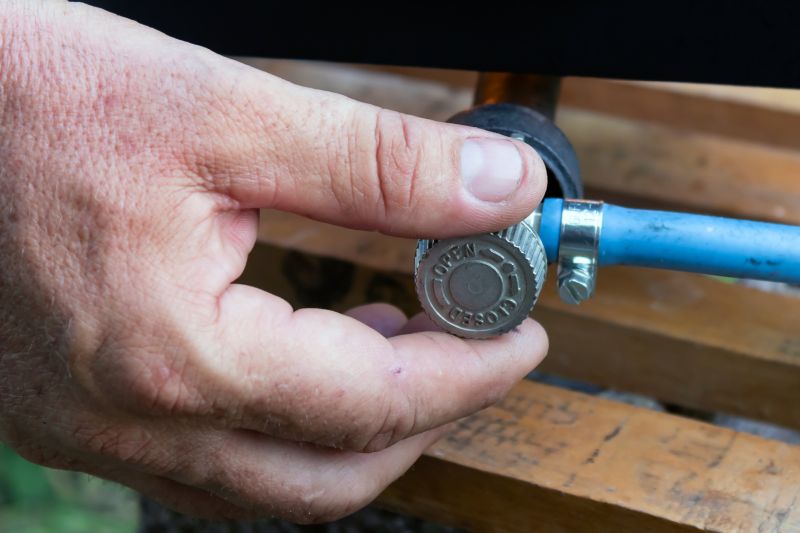
When comparing service providers for gas line capping, it is important to consider their experience with similar projects. Homeowners should look for local contractors who have a proven track record in safely and effectively handling gas line modifications or terminations. Asking about their previous work can provide insight into their familiarity with the specific requirements and challenges of gas line capping, helping to ensure the job will be completed properly and in accordance with safety standards.
Clear, written expectations are essential when selecting a local contractor. Homeowners should seek providers who can offer detailed descriptions of the scope of work, materials to be used, and any relevant procedures. Having these expectations documented helps prevent misunderstandings and provides a reference point throughout the project. It also allows for easier comparison between different service providers, making it simpler to identify the most transparent and professional options available.
Reputable references and strong communication are key indicators of a reliable local contractor. Homeowners are encouraged to ask for references from previous clients who had similar work done. This feedback can reveal the quality of workmanship, punctuality, and professionalism of the service provider. Additionally, choosing a contractor who communicates clearly and promptly can facilitate a smoother project experience, ensuring questions are answered and concerns addressed throughout the process. The site introduces homeowners to local options, enabling them to compare and connect with qualified professionals suited to their specific needs.
Property owners use Gas Line Capping services for practical projects around their homes and businesses. This guide focuses on everyday jobs and straightforward project options.
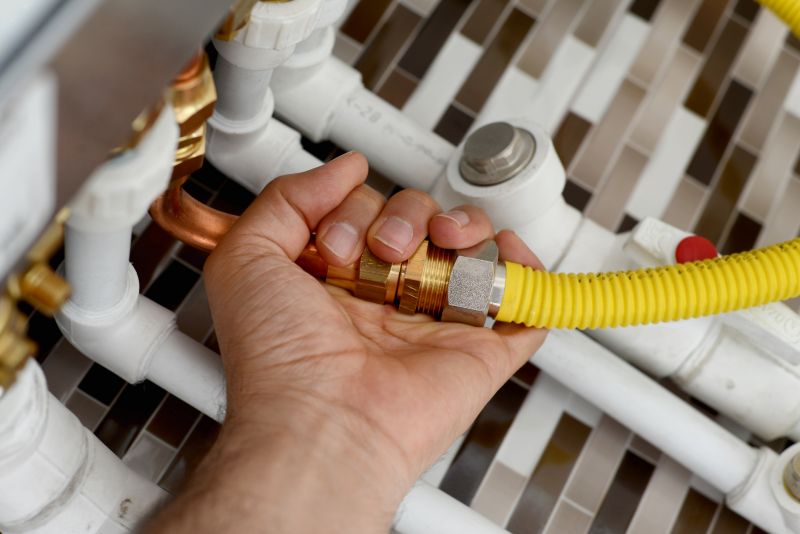
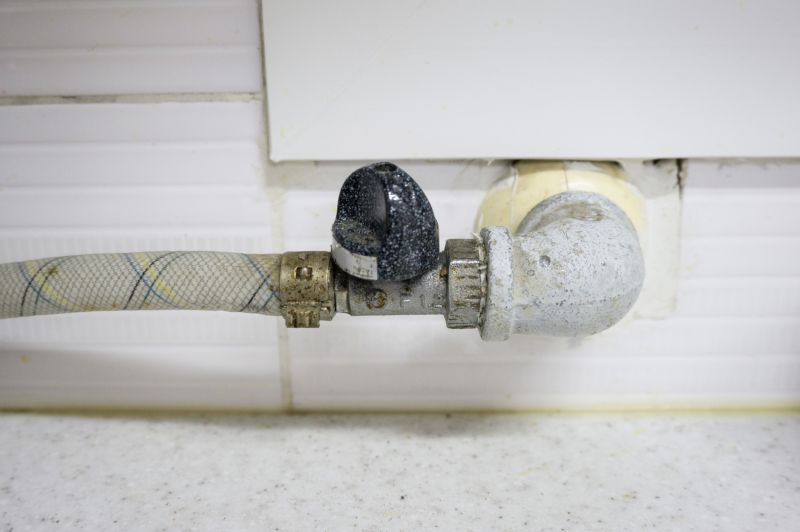
Gas line capping services are often needed during property renovations, upgrades, or when preparing a site for sale. Property owners might require these services if they are removing or relocating appliances that connect to the gas line, or if they want to ensure unused lines are safely sealed to prevent leaks. Local contractors can handle these jobs efficiently, helping to maintain safety and compliance during various stages of property improvement or change.
In other cases, homeowners or property managers may seek gas line capping when dealing with damaged or outdated gas infrastructure. This work can also be necessary before installing new appliances or making plumbing modifications. Local service providers are equipped to assess the situation and perform the capping securely, providing peace of mind that the gas lines are properly sealed and safe for future use or decommissioning.
Why might I need gas line capping services? Gas line capping is often necessary when a gas line is no longer in use, to prevent leaks or accidents, or during renovations and repairs.
What types of gas lines can be capped? Local contractors can typically cap various types of gas lines, including those for appliances, heating systems, or outdoor utilities.
Is gas line capping a safe process? Gas line capping is performed by experienced service providers who follow safety protocols to ensure the job is completed securely.
How do local service providers handle gas line capping? They use specialized fittings and techniques to securely seal off the gas line, preventing leaks or hazards.
Can gas line capping be part of a larger renovation project? Yes, many local contractors include gas line capping as part of comprehensive home or property upgrades.
Property Renovation Projects - When updating or remodeling a property, local contractors can help safely cap unused gas lines to prevent leaks and ensure safety during construction.
Gas Line Abandonment - If a gas line is no longer needed, service providers can properly cap it to prevent potential hazards or leaks.
Emergency Gas Line Repairs - In cases of damaged or leaking gas lines, local pros can quickly and securely cap the line to mitigate risks.
New Construction Installations - During new building projects, service providers can install gas line caps as part of the initial setup or for future connections.
If you are thinking about Gas Line Capping for a property, this guide is meant to help you understand the work, the typical project types, and how different options might fit your plans.
When you are ready, you can use the quote form on this page to share a few details about your project. From there, local pros can review the basics and respond with options that match what you have in mind.